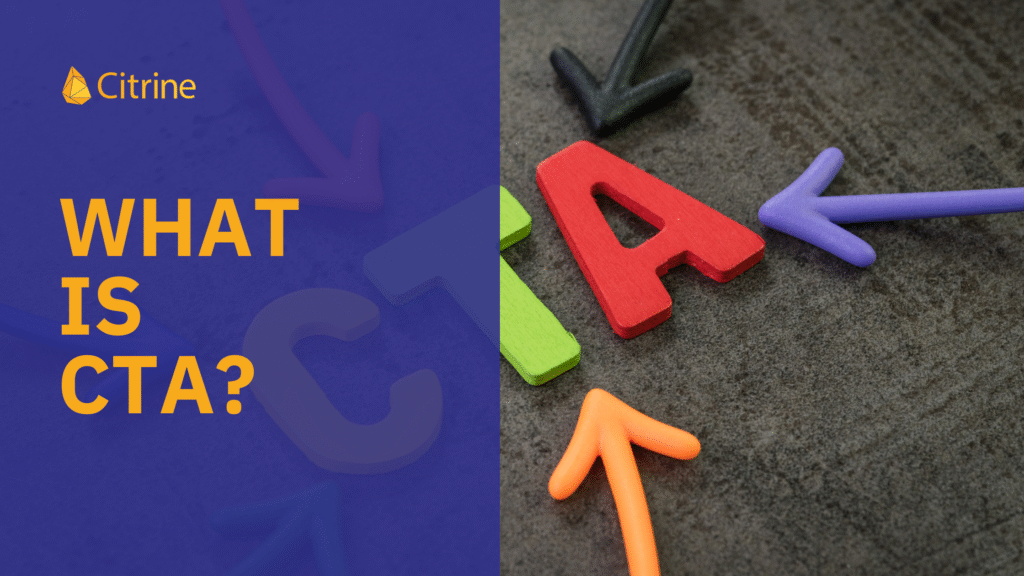
What Is a CTA
Ever read an email or scroll through a website and suddenly find yourself clicking a button that says “Learn More,” “Get Started,” or “Book a Call”?
That’s a CTA—short for Call to Action—and it’s one of the most important parts of any marketing message.
Whether you’re writing a social post, an email, or building a landing page, a strong CTA is what turns interest into action. Without it, your message may sound nice but won’t drive results.
What is CTA and Why It Matters in Marketing
So, What Exactly Is a CTA?
A CTA (Call to Action) is a prompt that tells your audience exactly what to do next. It can be as simple as:
- “Shop Now”
- “Subscribe Today”
- “Download the Free Guide”
- “Leave a Review”
In short, it guides your audience down the path you want them to take—whether that’s buying, signing up, booking, or learning more.
Every great marketing message, from the smallest Instagram caption to the biggest ad campaign, has a clear CTA at its heart.
Why CTAs Matter
CTAs may look simple, but they’re powerful because they give direction. Think of them like a GPS for your customer journey. Without a CTA, readers might like your content but won’t know what to do next.
Here’s why they matter so much:
- They increase engagement. A clear CTA moves people to act.
- They create conversions. Every sale, sign-up, or booking starts with one click.
- They track success. You can measure which CTAs perform best and improve your strategy.
- They build momentum. Each small action (click, download, reply) brings your audience closer to becoming a customer.
In short: no CTA, no conversion.
Types of CTAs You Can Use
CTAs don’t just belong at the end of a post or page—you can use them in multiple ways depending on your goal:
1. Action-Oriented CTAs
Used for direct conversions.
“Buy Now,” “Book a Free Demo,” “Claim Your Spot.”
2. Informational CTAs
Used to encourage learning or engagement.
“Learn More,” “Read the Full Story,” “See How It Works.”
3. Emotional CTAs
Appeal to feelings like curiosity, urgency, or belonging.
“Don’t Miss Out,” “Join the Movement,” “Be Part of the Community.”
4. Soft CTAs
Perfect for building trust or relationships without pressure.
“Follow Us for More Tips,” “Stay Connected,” “Discover What’s Next.”
What Makes a Good CTA?
There’s an art to writing CTAs that actually get clicks. Here are the key traits of high-performing ones:
- Clear – Your audience should instantly understand what they’ll get.
- Short – 2–5 words usually perform best.
- Visually Standout – Use bold buttons or contrasting colors to draw attention.
- Action-Driven – Start with verbs like “Get,” “Start,” “Try,” or “Join.”
- Relevant – Match your CTA to the content or stage of your funnel.
For example:
- Instead of “Submit,” try “Get My Free Quote.”
- Instead of “Click Here,” try “See How It Works.”
These small tweaks make a big difference in engagement.
Where CTAs Work Best
CTAs belong everywhere your business communicates with customers—not just on your website.
Here’s where you should include them:
- Emails – Invite readers to book a call, sign up, or read your latest blog.
- Social Media Posts – Encourage engagement (“Comment below,” “Share this tip”).
- Landing Pages – Guide visitors to purchase or learn more.
- Blog Posts – End with a clear next step related to the topic.
- Google or Facebook Ads – The CTA is your final push for conversion.
The key is to make the next step easy, obvious, and rewarding.
How Citrine 360 Helps Businesses with CTAs
At Citrine 360, we help small businesses use CTAs strategically—not just as buttons, but as part of a complete marketing flow.
We design conversion-focused websites, email campaigns, and social content where every CTA aligns with your audience’s goals. By combining thoughtful copywriting with smart placement, we make sure your messages lead to real results—clicks, calls, and customers.
Whether you need a new landing page, automated email sequence, or social ad campaign, our team ensures your CTAs stand out, speak directly to your audience, and drive measurable engagement.
Final Thoughts
A CTA might seem like a small detail, but it’s what transforms attention into action. The right words at the right time can turn a visitor into a loyal customer—and that’s the power of a clear call to action.
So the next time you write a post or send an email, don’t forget to ask:
👉 What do I want my reader to do next?
When your message connects and your CTA leads the way, your marketing stops being noise—and starts making an impact.