
CRM Lead Tracking: Stop Losing Leads and Close More Deals

Immense effort goes into generating leads — running ads, publishing content, hosting webinars, optimizing landing pages.
But here’s the uncomfortable question:
Are you actually tracking every one of those leads properly?
If follow-ups are inconsistent, conversations are scattered across inboxes, and your team isn’t sure which deals are close to closing, you don’t have a lead problem.
You have a CRM lead tracking problem.
Let’s fix it.
Why CRM Lead Tracking Is Critical for Growing Businesses
Growth creates complexity.
What worked when you had 10 leads per month breaks when you have 100.
Without structured CRM lead tracking, businesses experience:
- Missed follow-ups
- Duplicate outreach
- Poor visibility into pipeline health
- Unclear revenue forecasting
- Lost high-value prospects
CRM lead tracking transforms chaos into control by centralizing data, automating tasks, and giving your team real-time visibility into every opportunity.
Spreadsheets Create Lead Leaks
Most growing businesses start with spreadsheets.
At first, they seem organized.
But as volume increases, cracks appear:
- Manual updates are forgotten
- Columns become inconsistent
- No real interaction history
- No automatic reminders
- Multiple versions floating around
Spreadsheets are static documents. Lead tracking is dynamic.
A CRM system automatically logs emails, calls, form submissions, and meetings — eliminating manual data entry and reducing errors.
When your process depends on memory, leads slip through the cracks.
When it depends on automation, leads move forward consistently.
Manual Follow-Ups Lead to Missed Opportunities
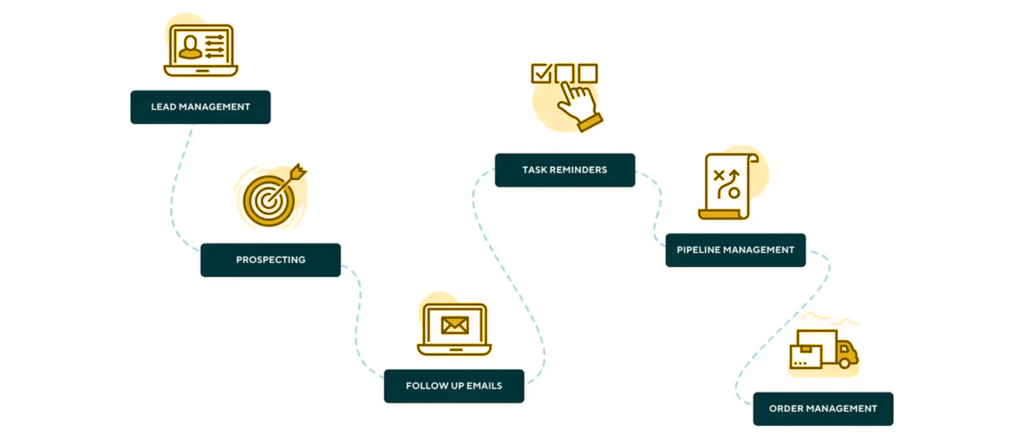
Speed is revenue.
Leads contacted within minutes convert significantly more often than those contacted hours later.
Without CRM automation:
- Inquiries sit in inboxes
- Sales reps forget callbacks
- Follow-ups happen too late
- Hot leads go cold
CRM lead tracking solves this by:
- Instantly assigning new leads
- Sending automated first-touch emails
- Creating follow-up tasks
- Triggering reminder notifications
Instead of relying on memory, your system ensures every next step happens.
Disconnected Tools Cause Data Silos
Marketing uses one platform.
Sales uses another.
Support uses a third.
Customer information becomes fragmented across:
- Email inboxes
- Marketing tools
- Calendars
- Chat apps
- Ad platforms
Disconnected systems create blind spots.
CRM lead tracking centralizes:
- Contact information
- Lead source
- Interaction history
- Internal notes
- Deal value
Everyone sees the same data in one place — improving collaboration and eliminating confusion.
Slow Response Times Reduce Conversions
Response time is one of the most overlooked growth metrics.
If a lead submits a form at 10:03 AM and your team responds at 3:47 PM, the opportunity window may already be gone.
CRM lead tracking improves speed by:
- Sending instant lead notifications
- Triggering auto-responses
- Assigning leads based on rules
- Highlighting high-intent behaviors
The result? Faster conversations. Higher close rates.
Centralized Tracking Improves Team Alignment
When marketing and sales operate from different data sets, alignment suffers.
CRM lead tracking creates a single source of truth.
Marketing can see:
- Which campaigns generate revenue
- Which leads convert fastest
Sales can see:
- Full engagement history
- Content downloaded
- Pages visited
- Prior conversations
No more asking, “How did you hear about us?”
The answer is already there.
Lead Scoring Prioritizes High-Value Prospects
Not every lead is ready to buy.
Some are researching.
Some are price comparing.
Some are decision-ready.
CRM lead tracking with scoring assigns value based on:
- Demographics (company size, role, industry)
- Engagement (email clicks, site visits, demo requests)
- Buying signals (pricing page visits, repeat interactions)
High-scoring leads move to the top of the queue automatically.
Your team spends time where revenue probability is highest.
Automation Ensures Consistent Follow-Up
Most deals close after multiple touchpoints.
Yet many sales teams stop after one or two attempts.
CRM lead tracking automates structured follow-up:
- Day 1: Intro email
- Day 3: Value-add content
- Day 7: Case study
- Day 14: Check-in message
Tasks and reminders are generated automatically.
Consistency replaces guesswork.
AI Insights Improve Pipeline Forecasting
Modern CRM systems don’t just store data — they analyze it.
AI-powered CRM lead tracking can:
- Predict deal probability
- Identify stalled opportunities
- Highlight risk signals
- Forecast revenue based on historical data
- Recommend next best actions
Instead of relying on intuition, your sales forecasts become data-driven.
Real-Time Dashboards Drive Smarter Decisions
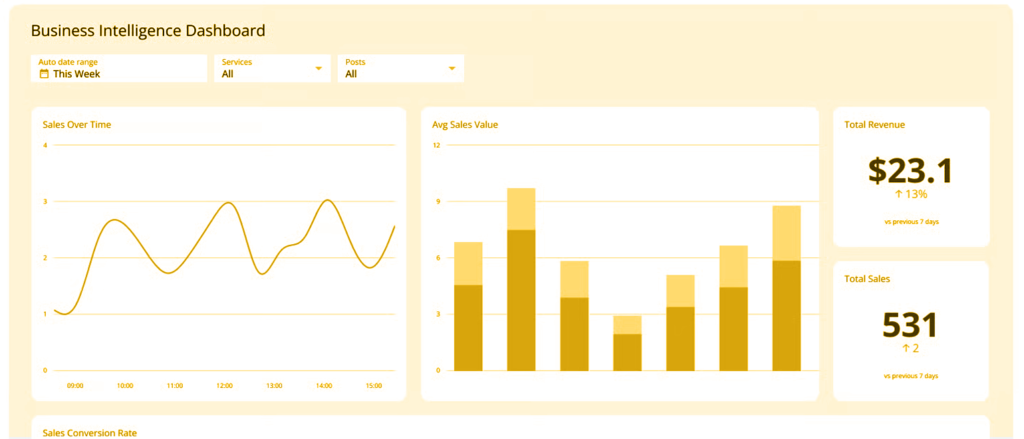
A powerful CRM lead tracking system provides dashboards that show:
- Pipeline value
- Conversion rates
- Average response time
- Sales cycle length
- Lead-to-opportunity ratio
- Revenue by source
These metrics reveal:
- Where deals are getting stuck
- Which channels produce revenue
- Which reps need support
- Where process improvements are needed
Visibility leads to smarter growth decisions.
How Citrine 360 Unifies CRM Lead Tracking in One Platform
Citrine 360 is designed for growing businesses that need powerful CRM lead tracking without enterprise complexity.
With Citrine 360, you can:
- Capture leads from forms, ads, and campaigns automatically
- Assign leads instantly based on rules
- Track every email, call, and meeting in one timeline
- Score leads using AI-driven insights
- Automate follow-up sequences
- Visualize your pipeline with real-time dashboards
- Forecast revenue accurately
Instead of stitching together disconnected tools, Citrine 360 centralizes everything inside one intelligent system.
The result:
- Faster response times
- Fewer missed opportunities
- Better sales alignment
- Higher conversion rates
- Predictable revenue growth
From Chaos to Control
CRM lead tracking is not just about organizing contacts.
It’s about:
- Capturing every opportunity
- Prioritizing the right prospects
- Automating consistent outreach
- Giving your team full visibility
- Turning interest into revenue
If your leads feel scattered, if follow-ups feel inconsistent, or if forecasting feels uncertain, the issue isn’t demand.
It’s tracking.
And the right CRM system turns lost leads into closed deals.